
From Day Pack to Full Pack: Preparing for Multi-Day Hiking
By Coach Lis
Back in my 20s, big hike prep was simple. Throw some extra stuff in my pack, head out, done.
Beyond my mid-forties, and through the menopausal transition, my body started asking for something a little different and a whole lot more respect.
The goal is still simple. Build load slowly, choose a good pack and pack it well. Here’s my simple training guide, built to support you at any age.
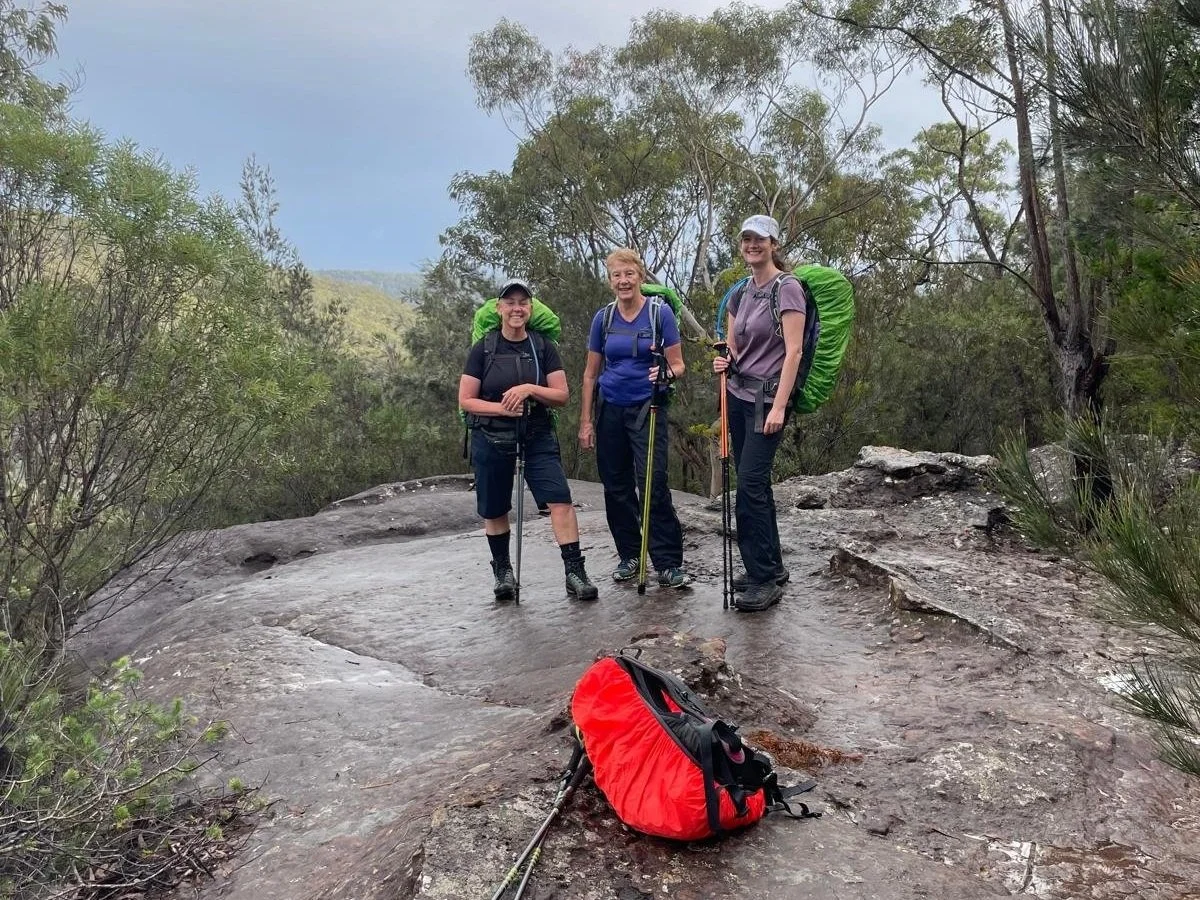
The 3 things that matter most
1. Time on feet
2. Pack weight
3. Strength
My golden rule: push just one of these at a time.
- Adding weight? Keep your hike distance similar
- Hiking longer? Keep weight steady
- Keep your strength work on non-hiking days, quietly building your base
Tip: Keep training hikes at a moderate intensity, around 50 to 70% of your max. You are working, but still able to talk in short sentences.
How much weight should you carry?
Instead of guessing, here’s a simple guide I use:
Around 20% of your body weight is a comfortable range for most women on multi-day hikes
Above 25% is where things can start to feel harder on joints and energy levels
For example, a 70 kg woman might aim to carry around 14 to 18 kg on a full pack hike.
It’s also important that your pack matches the load:
Day pack (up to 30 L): up to around 8 to 10 kg
Overnight pack (30 to 40 L): around 8 to 15 kg
Multi-day pack (45 to 60 L): around 12 to 18 kg
Tip: If you are training with more than 10 kg, a good hiking pack with a supportive frame and hip belt makes a big difference.
A simple way to build up
If you have time, a 10 to 12 week lead-in works well. Follow this pattern: build, build, ease off, repeat.
Weeks 1 to 4: Light and easy
2 pack walks per week
Light load (around 5 to 10% body weight)
30 to 60 minutes, mostly flat
Focus: how your body feels the next day. Knees, hips, back and pelvic floor all give you useful feedback.
Weeks 5 to 8: Start to build
Maintain 2 pack walks per week
One walk of 45 to 60 minutes
One walk of 75 to 90 minutes with gentle hills
Increase pack weight to 10 to 15% body weight
Weeks 9 to 11: Closer to trip conditions
Build pack weight to 15 to 20%
One long walk of 1.5 to 3 hours
One medium walk of 60 to 90 minutes
Introduce more hills to mimic real conditions
Check in: could you repeat this on back-to-back days? If not, repeat the week rather than pushing ahead.
Tip: Include a lighter week every 3 to 4 weeks to give your body time to adapt.
Week 12: Ease off and taper
Reduce time and pack weight by 20 to 40%
Keep a couple of easy, confident pack walks
Aim to start your hike feeling fresh, not fatigued
Tip: If pain or fatigue spikes, step it back a level. That’s not backing out, that’s training smart.
What and how you pack matters
A great training plan can be undone by a poorly packed bag. How you load your pack matters almost as much as how much you carry.
To add weight:
Water bottles, easy to adjust
Bags of rice, simple and stackable
Towels or clothing to fill gaps
Foam rollers or yoga blocks for stability
Tip: Avoid loose metal, glass or anything that could dig in if you stumble.
Keeping it in balance
You want your pack to feel like part of you. A stable load is far easier on your knees, hips and back.
Keep heavier items close to your spine, in the middle of the pack
Place medium weight items around that central load
Put lighter bulky items at the bottom
Use small, light items to fill gaps
Tighten straps so nothing moves
Tip: Find more info in our previous blog, How to pack a full hiking pack with confidence
The quiet support act: Strength
To support your training, aim for two strength sessions per week. Keep it simple.
Focus on:
Legs and hips: squats, hip hinges or deadlifts, step-ups, lunges, calf raises
Back and core: rows, planks, bird dogs, farmer carries
Structure:
30 to 45 minute
2 to 3 sets
6 to 12 reps
Keep the last few reps challenging but controlled
Consistent strength work is one of the best things you can do for bone density, balance and confidence with a pack.
Final thoughts
Getting pack fit isn’t about proving toughness. It’s about steady progression, smart loading and choosing the right gear.
Train this way, and you’ll turn up to your multi-day hike feeling calm, capable and ready to enjoy the experience.