
Tips for packing a full hiking pack
Packing a full hiking pack can feel a bit daunting, especially when you know it is going to weigh anywhere from 10 to 20 kilograms. The good news is that how you pack matters just as much as what you pack. A well organised pack feels lighter, sits more comfortably on your body, and helps you move more confidently over uneven ground.
Good packing is all about balance and accessibility. You want the weight close to your body, the soft items acting as cushioning, and the things you need during the day easy to grab without unpacking everything. With a little thought at the start, your pack works with you rather than against you on the trail.
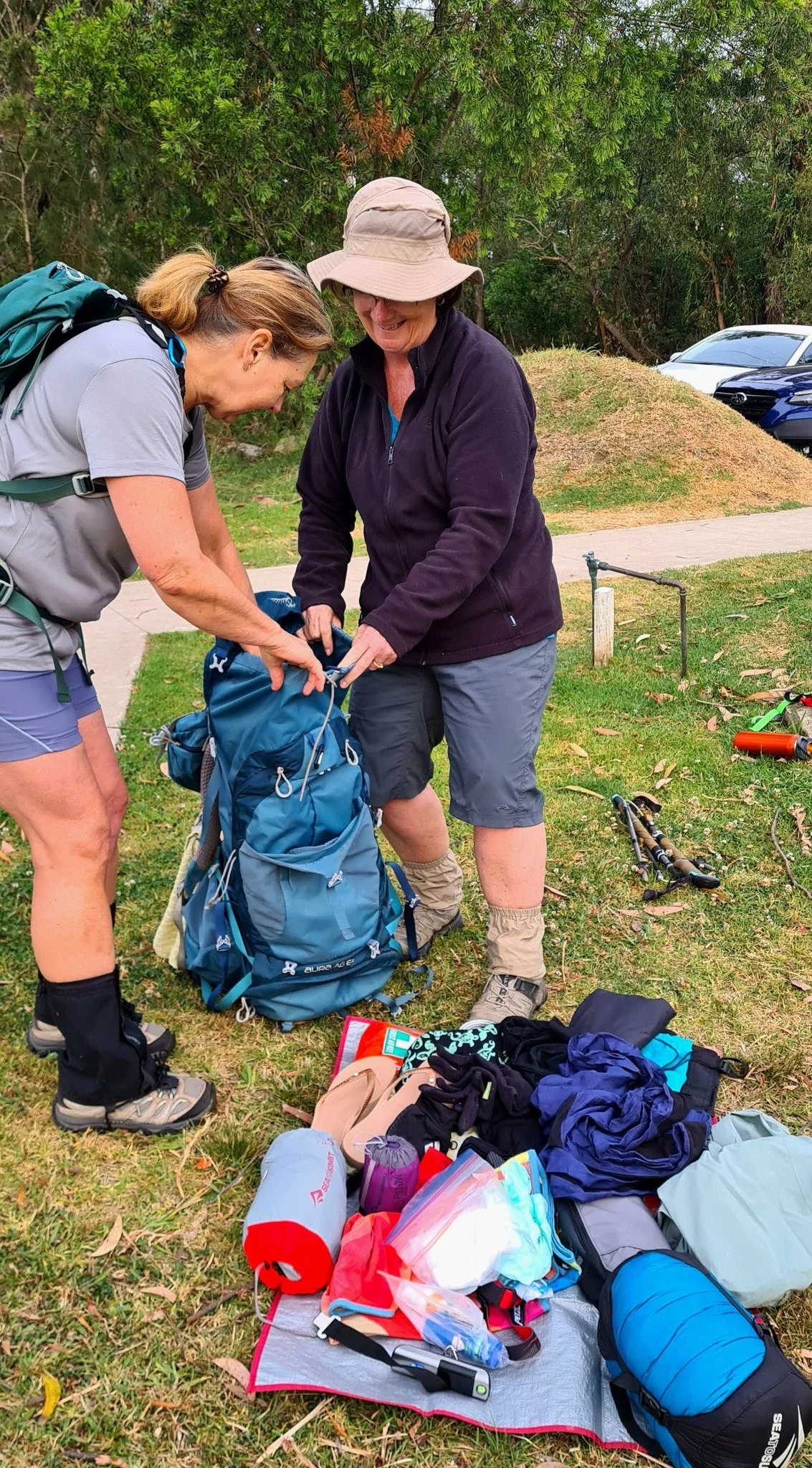
Bottom of the pack: Bulky, soft items
The bottom of your pack is the foundation. This is the place for lightweight but bulky items that you will not need until camp. Packing soft gear here creates a cushioned base and helps push heavier items up closer to your shoulders where your body can carry them more efficiently.
• Sleeping bag
• Warm clothes
• Sleeping mat
Middle of the pack: Heavy gear
The middle of the pack is the core load bearing zone. This is where your heaviest items should live, packed close to your spine. Keeping weight here improves balance and prevents the pack from pulling backwards, which can quickly lead to sore shoulders and an arched lower back.
• Water and food
• Cooking kit
• Tent or tent body
Top of the pack: Light items you need quickly
The top of your pack is prime real estate for items you may need during the day or in changing conditions. These should be lighter items that you want to access without digging deep, especially when the weather turns or energy levels dip.
• Rain jacket
• First aid kit
• Snacks
• Hat or gloves
Side pockets and front pouch
External pockets are ideal for frequently used items that do not need to be inside the main compartment. This keeps your pack organised and means fewer stops to rummage around when you are already on the move.
• Water bottles
• Sunscreen
• Bug spray
• Pack cover
• Toilet kit
Hip belt pockets
Hip belt pockets are all about convenience. These small spaces are perfect for the things you want to reach without taking your pack off, helping you keep moving and maintain your rhythm on the trail.
• Snacks
• Phone
• Lip balm
• Electrolytes
💎 Diamond tips
A few small habits can make a big difference to how your pack feels once you start walking. Taking the time to fine tune your setup before you leave home can save a lot of discomfort later.
• Compress everything to avoid gaps or rattles.
• Use packing cells or dry bags to organise.
• Do a shake test and repack if items shift.
• Walk around at home to adjust straps before the hike.
When your pack is loaded well, even a 15 to 20 kilogram load can feel manageable, stable, and surprisingly comfortable. A few extra minutes of care at the start of your trip pays off with every step you take.