
The Why and What: Training for Full-Pack Hiking Adventures
When you head out on a full day or multi-day trek, your pack isn’t just gear, it’s basically a tiny house strapped to your back. And how well you’ve prepared to carry it is the difference between soaking in the views at the summit… or spending the whole hike staring at your boots, counting steps and wishing you were anywhere else.
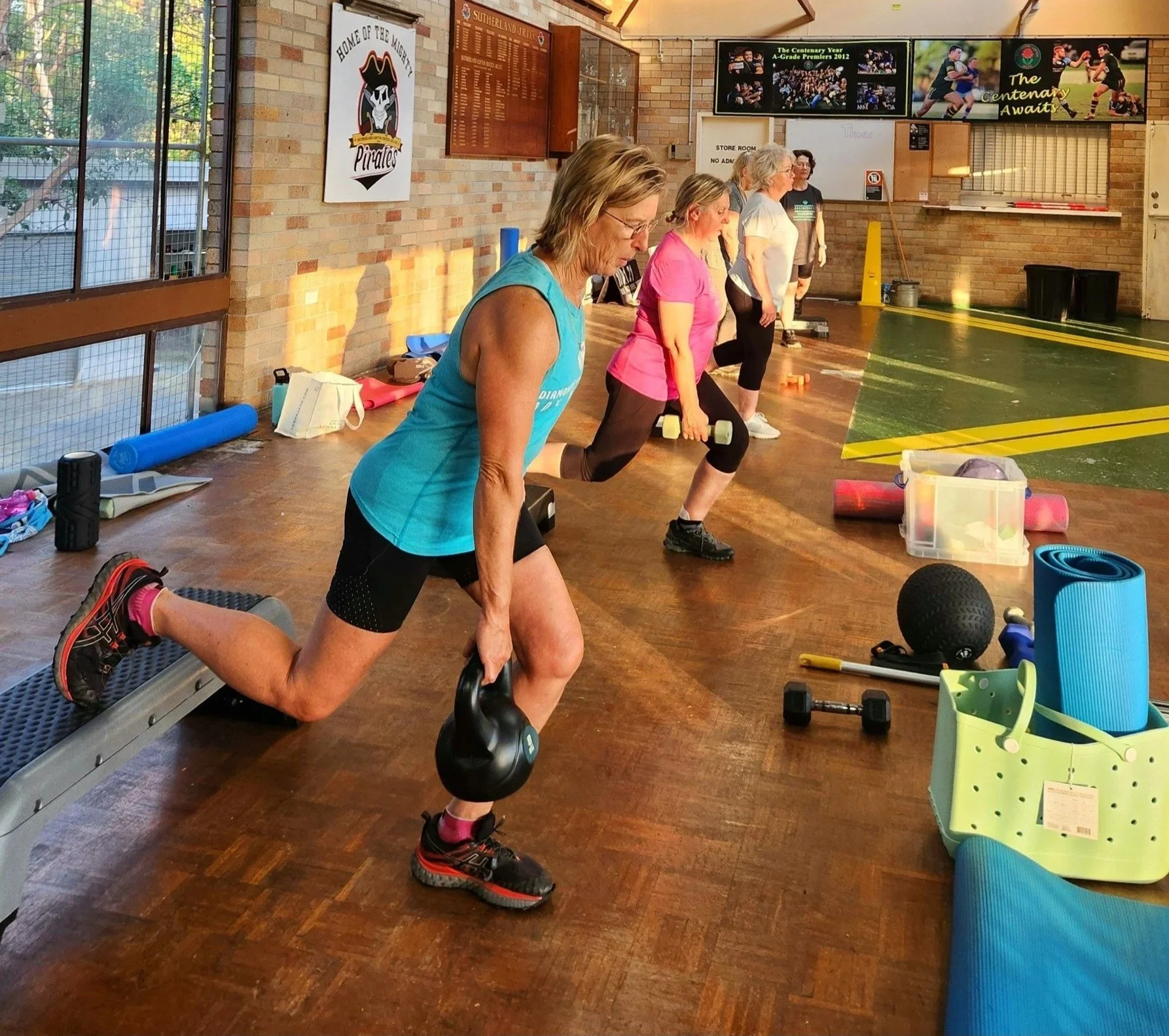
The Why: It’s About Way More Than Muscle
Here’s what strength training really buys you on the trail:
Carrying a full pack (usually around 10–20% of your body weight) changes how your body moves. Training for it isn’t about getting buff, it’s about making the whole experience smoother, safer, and honestly… more enjoyable.
Injury prevention
A strong core keeps your spine stable so the pack isn’t slowly crushing your lower back by day two.
Better energy efficiency
Conditioned muscles mean every step costs less effort. That’s extra fuel in the tank when the trail suddenly kicks up at the end of the day.
Balance & stability
A heavy pack messes with your centre of gravity. Functional strength helps you stay upright on loose scree, muddy descents, or sketchy river crossings.
Happier joints
Strong glutes, quads, and hamstrings act like shock absorbers — saving your knees and ankles, especially on long downhill slogs.
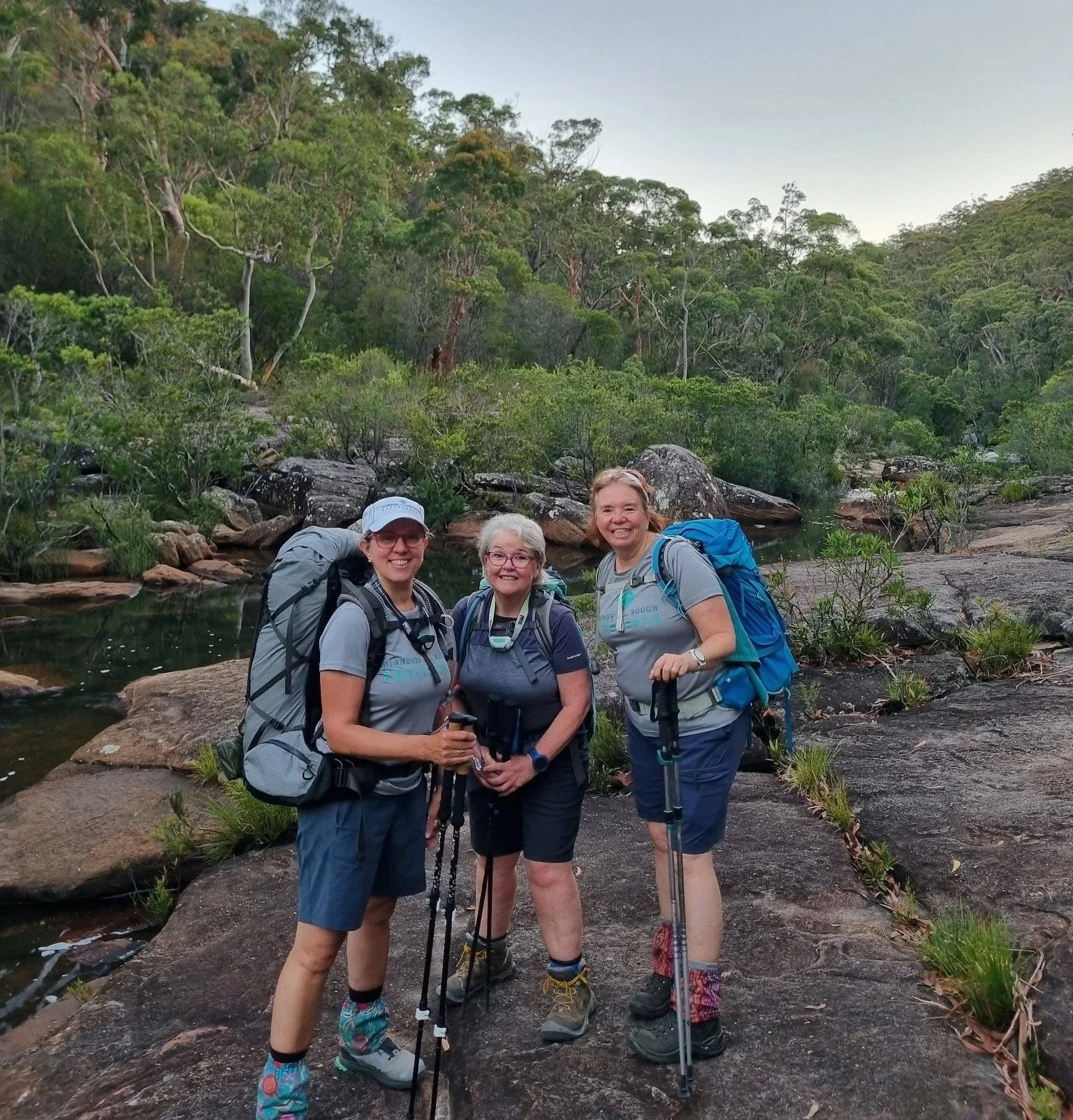
The What: Train for the Trail, Not the Mirror
You don’t need bodybuilder strength. You need trek-ready strength. Think practical, functional, and specific. Focus on these three aspects:
1. The Powerhouse (Lower Body)
Your legs are doing the bulk of the work, all day, every day.
Glutes & quads → power you uphill and keep you controlled on the way down
Calves → crucial for balance on uneven terrain and keeping foot fatigue at bay
Go-to exercises:
Step-ups, lunges, squats (bonus points if you load them like a pack).
2. The Stabiliser (Core & Back)
Your core is the bridge between your legs and your pack — if it’s weak, everything leaks energy.
Deep abs keep you upright and resist the backward pull of the pack
Upper back & shoulders stop that familiar burning under the shoulder straps
Go-to exercises:
Planks, dead bugs (great for anti-rotation), and rows for upper-back strength.
3. Specificity (Yes… Actually Wearing the Pack)
Here’s the secret: the best way to get good at carrying a pack… is carrying a pack.
Progressive loading
Start light — maybe 5-7 kg on local walks — and add 0.5–1kg each week. Slow and steady beats wrecked shoulders.
Hill intervals with weight
Find a steep hill and do repeats. It’s brutally effective for building strength and cardio at the same time.
💎 Diamond Tip
Aim to keep your total pack weight under 20% of your body weight for multi-day trips. Not always easy — but it’s an amazing filter when you’re deciding what really needs to come along… and what can stay home.
Train smart, carry strong, and let your legs enjoy the journey as much as your eyes do