
A simple framework I use before every hike
By Diamonds Coach, Kalina
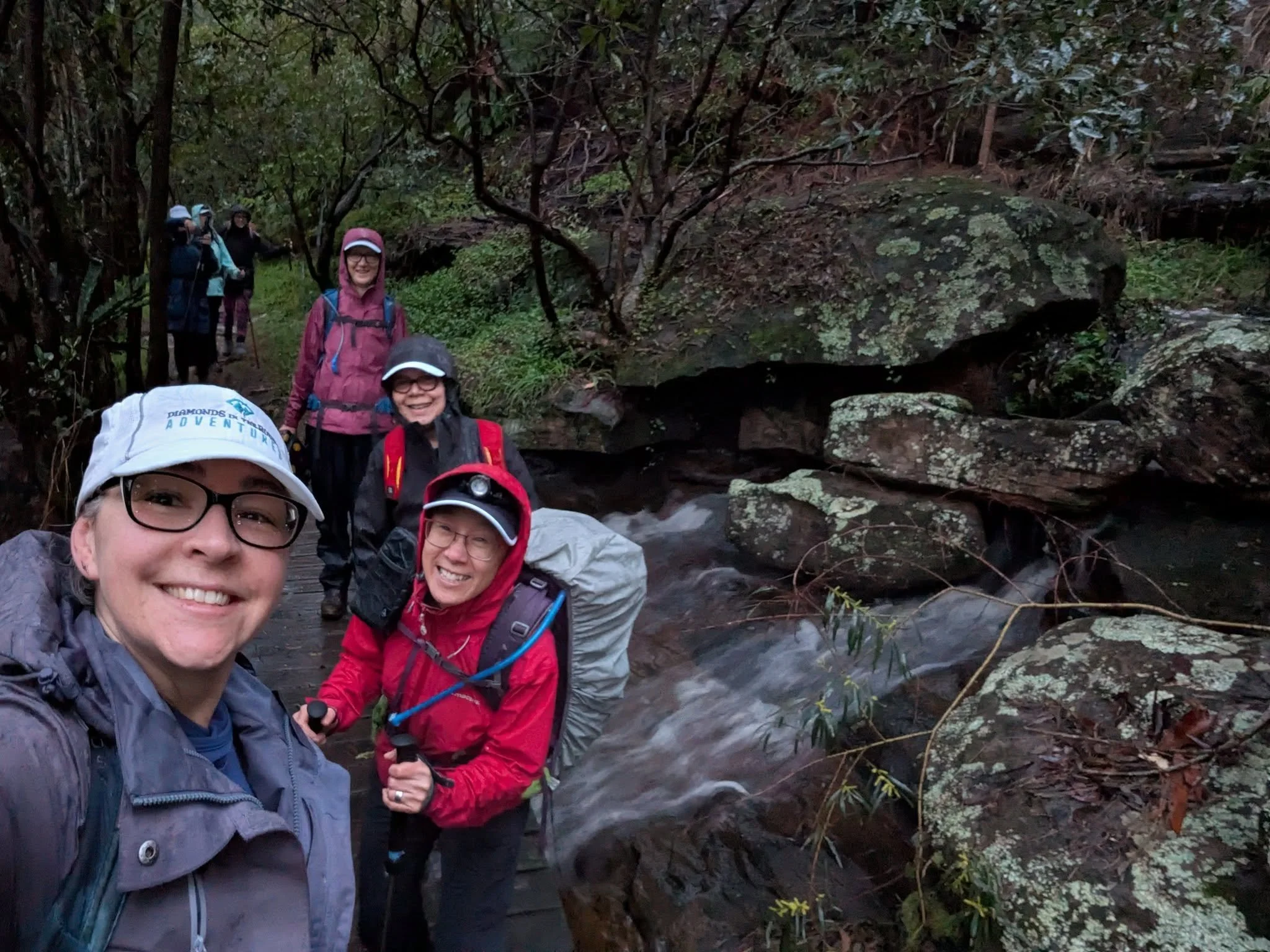
I've had lots of conversations with hikers about how I prepare for a hike. There can be a lot to remember!
I'm a strong believer that every great hike starts long before you reach the trailhead.
To help you feel more confident on the trail, I'm going to share a simple framework I use to help me remember the most important things to consider before any adventure.
Here are my four simple reminders, along with a handy little mnemonic to make them easy to remember.
I call it the TREK framework.
T – TRAIL AND TRIP PLANNING
R – REGISTER YOUR TRIP
E – EMERGENCY PREPARATION
K – KEEP TO THE TRACK
We've already got some great resources on our website covering hiking safety, first aid and useful hiking apps. TREK isn't designed to replace those resources. Instead, it's the simple framework I use to make sure I'm thinking about the right things before I leave home.
T – Trail and Trip Planning
Nature is a living thing, and so are the trails. Even tracks that are well maintained, or that you've hiked before, can change over time.
For me, it's about asking a few simple questions:
Do I understand the route, distance, elevation and expected hiking time?
What does the weather forecast look like?
Do I have enough food and water?
Are there any closures, hazards, warnings or recent reports from other hikers about track conditions?
Technology can be incredibly helpful when planning a hike. If you're looking for navigation and planning tools, have a read of our guide to Best Phone Apps for Solo Hiking, where we share some of our favourite hiking and navigation apps.
👉 Further reading: Best Apps for Hiking
R – Register Your Trip
This one is your reminder to tell someone your plans before heading out.
Even on shorter adventures, I always make sure someone knows:
Where I'm going
Who I'm hiking with
The route I'm planning to follow
When I expect to finish
For more remote adventures, I also consider completing a National Parks Trip Intention Form.
This step takes only a few minutes, but it can make a significant difference if plans change unexpectedly.
If you'd like a more detailed pre-hike checklist, including what information to share before you leave, take a look at our Pre-Hike Prep Guide.
👉 Further reading: Pre-Hike Prep Guide: What to Do Before You Hit the Trail
E – Emergency Preparation
Nobody heads out expecting something to go wrong.
One of the habits I've developed is taking a few moments to think about what I would do if things didn't go according to plan.
Questions I often ask myself include:
Do I have appropriate first aid supplies?
What if I need to stay out longer than expected?
Who would I contact if I needed support, and how would I reach them?
How will I navigate if I lose reception?
Do I have a backup plan?
Emergency preparation looks different for every hike, but taking a few moments to think through the possibilities can make a big difference.
For more detailed advice on first aid kits, emergency communication and useful safety tools, these resources are a great place to start:
👉 Further reading:
K – Keep to the Track
Once the planning is done and the boots are on, it's time to enjoy the adventure.
Where possible, it's a good idea to stick to the marked trail and follow the route you've planned.
Keeping to your planned route helps ensure the hike remains appropriate for your experience, fitness level and available resources. It also means you're following the route you've shared with your emergency contact.
And remember, turning back is always an option.
One of the most valuable hiking skills you can develop is knowing when it's time to reassess your plans.
The mountain, trail or lookout will still be there another day.
Adventure Starts Before the Trailhead
TREK is simply a framework I use to help me think through the decisions that come before every hike.
By taking a few minutes to consider your route, communicate your plans and prepare for the unexpected, you're giving yourself the best chance of having a great day out on the trails.
So before your next hike, give it a try:
T – Trail and Trip Planning
R – Register Your Trip
E – Emergency Preparation
K – Keep to the Track
Simple. Practical. Easy to remember.
💎 Coach Kalina