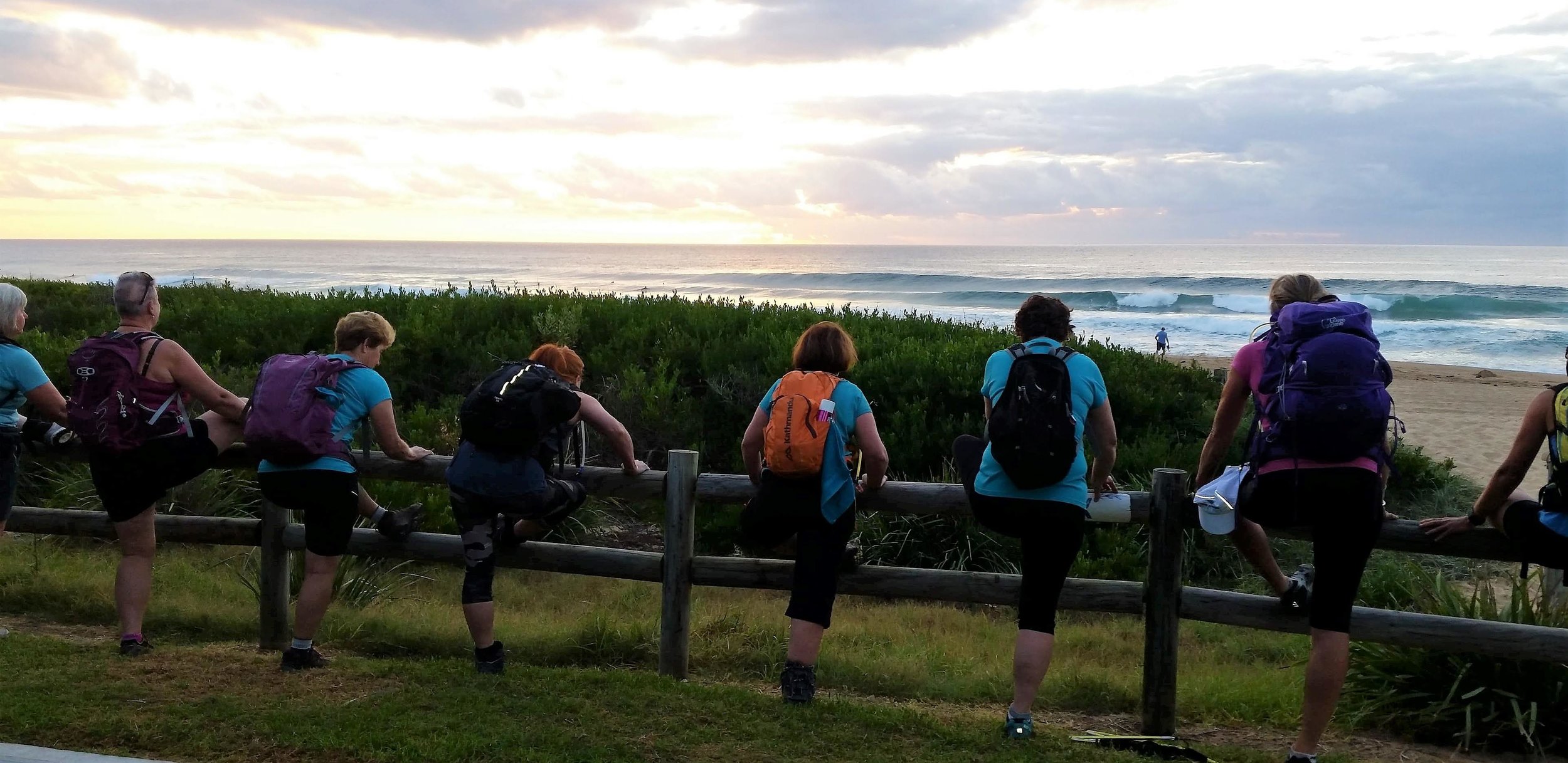
Eat, drink, hike, repeat
Nutrition and Hydration Tips for Longer Hiking Adventures
By Diamonds Coach, Lis
When preparing for a longer hike, most people focus on their boots, backpack and fitness.
But one of the most important pieces of hiking gear isn't something you wear or carry. It's your nutrition and hydration plan.
Whether you're tackling a challenging day hike, preparing for a multi-day trek or training for an upcoming adventure, fuelling your body properly can have a major impact on how you feel and perform on the trail.
Why Nutrition Matters
Long hikes place significant demands on your body. Your muscles rely on stored carbohydrates for fuel, fluid losses can affect hydration and electrolytes, and your body needs adequate nutrition to support recovery.
Inadequate fuelling can contribute to:
Fatigue
Dizziness or light-headedness
Nausea
Poor concentration
Reduced endurance
Increased injury risk
Heat illness and dehydration
For women, consistently under-fuelling during endurance activity can also impact recovery, hormonal health, bone health and iron status.
The Day Before Your Hike
For a long or challenging hike, it can be helpful to slightly increase your carbohydrate intake the day before.
Good choices include:
Rice
Pasta
Bread or wraps
Oats
Potatoes
Fruit
Muesli
Crackers
Breakfast cereals
A simple dinner might be:
Pasta with protein and vegetables
A rice bowl
A burrito bowl
Stir fry with rice or noodles
Try to avoid excessive alcohol, very high-fat meals, extreme dieting or trying unfamiliar foods immediately before an important hike.
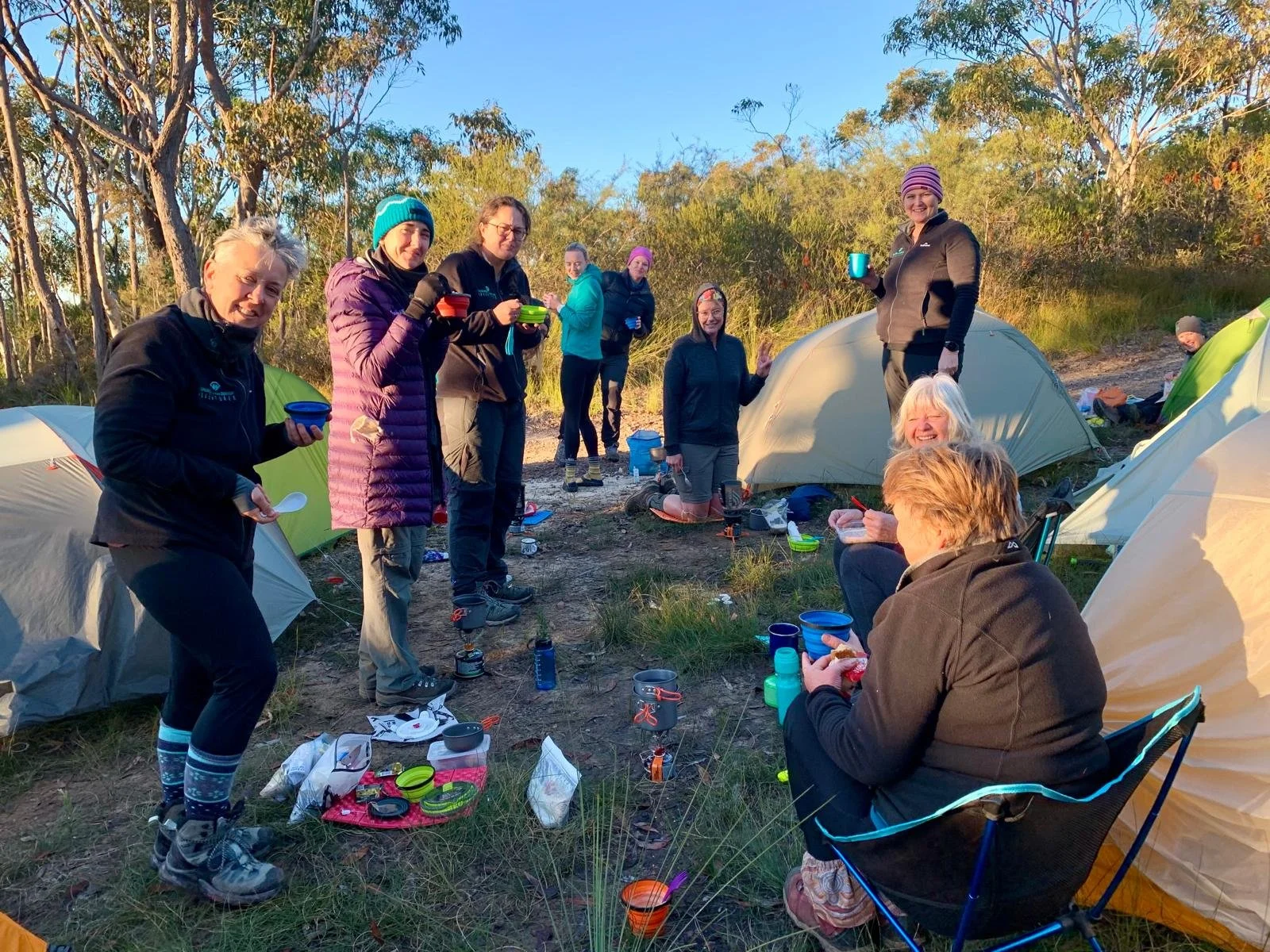
Don't Skip Breakfast
One of the biggest mistakes hikers make is heading out under-fuelled.
Aim for breakfast around 1.5 to 3 hours before starting your hike. Your goal is to top up energy stores and help maintain steady blood sugar levels.
Good options include:
Oats with banana and honey
Toast with peanut butter and banana
Cereal with milk and fruit
English muffins with eggs
Overnight oats
Smoothies with yoghurt, fruit and oats
Rice pudding
Banana bread and yoghurt
If you're prone to digestive issues, avoid large greasy meals or excessive fibre immediately before hiking.
Hydration Starts Before the Trail
Hydration is not something to think about when you're already thirsty on the track.
Aim to hydrate well the day before and consider drinking approximately 500-750mL of fluid during the 1-2 hours before your hike.
Suitable options include:
Water
Electrolyte drinks
Milk
Diluted juice
Electrolytes can be particularly helpful during hot weather, longer hikes or if you're prone to cramping or headaches.
Eating During Your Hike
For longer hikes, don't wait until you're hungry to eat.
A good general rule is to eat something every 60-90 minutes. Regular fuelling helps maintain energy levels and can prevent the dreaded hiking slump.
Practical trail snacks include:
Muesli bars
Trail mix
Sandwiches or wraps
Bananas
Dried fruit
Crackers
Pretzels
Protein bars
Fruit pouches
Rice cakes
Peanut butter sandwiches
Energy balls
Sports chews or gels (if you tolerate them)
For hikes lasting more than three to four hours, consistent fuelling becomes increasingly important.
Staying Hydrated on the Trail
Hydration needs vary depending on temperature, humidity, pace, fitness level and how much you sweat.
A general guide is approximately:
400-800mL of fluid per hour during activity.
Electrolytes may be particularly beneficial if:
You're hiking for more than two to three hours
Conditions are hot
You're sweating heavily
You experience headaches or cramping
Popular options include electrolyte tablets, Hydralyte and sports drinks.

Recovery Matters Too
Your hike isn't over when you reach the car park.
Recovery nutrition helps replenish energy stores, supports muscle repair and assists rehydration. Ideally, try to eat something within 30-90 minutes after finishing.
Good recovery options include:
Protein smoothies
Yoghurt and granola
Sandwiches or wraps
Eggs on toast
Sushi
Chocolate milk
Rice and chicken bowls
Recovery becomes even more important when training regularly or completing multiple hiking days in a row.
A Note for Hikers Taking GLP-1 Medications
For hikers taking GLP-1 medications, nutrition and hydration require extra attention.
These medications can reduce appetite, increase feelings of fullness, reduce thirst cues and sometimes contribute to nausea or reflux. This can increase the risk of under-fuelling and dehydration during long hikes.
If you're taking a GLP-1 medication, consider:
Planning your nutrition in advance rather than relying on hunger signals
Drinking regularly, even if you don't feel thirsty
Including electrolytes on longer hikes
Choosing smaller, more frequent snacks throughout the day
Many people find foods such as crackers, bananas, muesli bars, fruit puree pouches and small sandwiches easier to tolerate during exercise.
If you experience severe dizziness, vomiting, confusion or difficulty tolerating fluids, stop and seek medical assistance.
Final Trail Tips
Before your next long hike:
✅ Eat breakfast
✅ Start fuelling early
✅ Carry more snacks than you think you'll need
✅ Stay on top of hydration
✅ Include electrolytes in hot conditions
✅ Avoid trying new supplements or foods on hike day
✅ Respect your individual tolerance levels
✅ Avoid aggressive dieting before endurance activities
Remember
Fitness might get you up the hill, but good nutrition and hydration help you enjoy the journey.
A little planning before your next hike could mean more energy, better recovery and a much more enjoyable day on the trail. 🥾